« Back to the map

Cabernet Franc

Cabernet Franc Throughout Pennsylvania

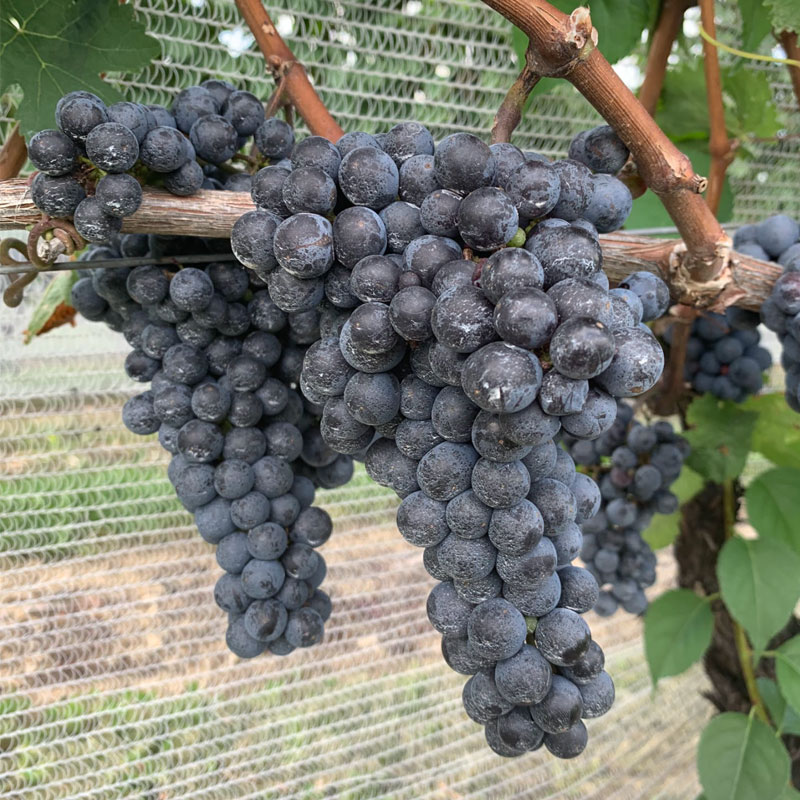
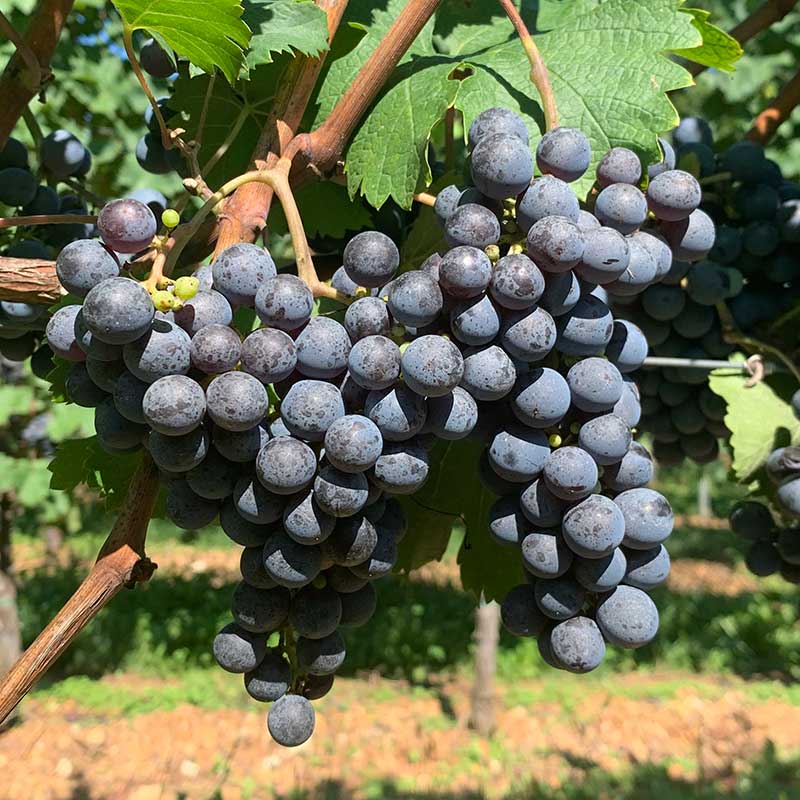
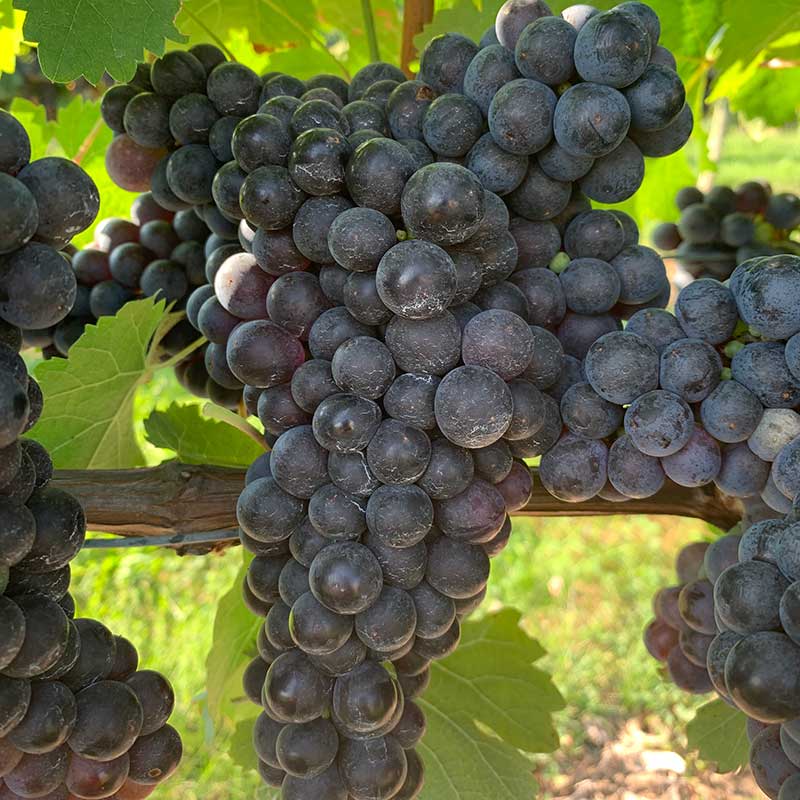
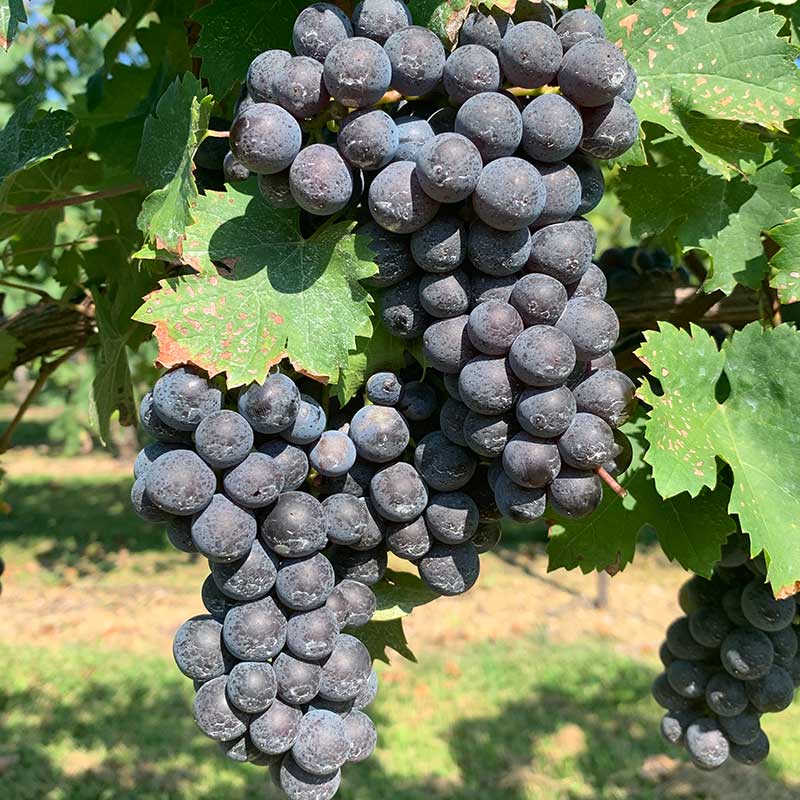
Cabernet Franc is one of the major black grape varieties worldwide. It is principally grown for blending with Cabernet Sauvignon and Merlot in the Bordeaux style, but can also be vinified alone, as in the Loire's Chinon. In addition to being used in blends and produced as a varietal in Canada and the United States, it is sometimes made into ice wine in those regions. Cabernet Franc is lighter than Cabernet Sauvignon, making a bright pale red wine that contributes finesse and lends a peppery perfume to blends with more robust grapes. Depending on the growing region and style of wine, additional aromas can include tobacco, raspberry, bell pepper, cassis, and violets. Wikipedia

Counties Grown:

General Details

Cabernet Franc growers in Pennsylvania

42

out of 58 participants across PA

Years Grown

5 to 9 years

most common response   more details

5 to 9 years
34.1% (14)
10 to 15 years
21.9% (9)
More than 20 years
14.6% (6)
16 to 20 years
14.6% (6)
Less than 5 years
14.6% (6)

Acres Grown

63.9 acres

total for Cabernet Franc in the State of PA

Acres Grown

1.56 acres

average per participant   more details

1
12.2% (5)
0.5
12.2% (5)
2.5
7.3% (3)
0.1
7.3% (3)
0.6
7.3% (3)
1.5
7.3% (3)
3
4.9% (2)
4
4.9% (2)
1.2
4.9% (2)
0.8
4.9% (2)
0.2
4.9% (2)
2.1
4.9% (2)
6
2.4% (1)
2.7
2.4% (1)
0.9
2.4% (1)
1.4
2.4% (1)
5.5
2.4% (1)
0.3
2.4% (1)
2.9
2.4% (1)

Planting Properties

Spacing between rows

9 ft

most common response   more details

9 ft
35.7% (15)
8 ft
28.6% (12)
7 ft
16.7% (7)
10 ft
11.9% (5)
6 ft
7.1% (3)

Spacing between vines

6 ft

most common response   more details

6 ft
42.9% (18)
3 ft
26.2% (11)
4 ft
14.3% (6)
5 ft
11.9% (5)
7 ft
2.4% (1)
8 ft
2.4% (1)

Pruning Method

Cane pruning

most common response   more details

Cane pruning
60.0% (27)
Spur pruning
40.0% (18)

Trellis System(s)

Vertical shoot positioning (VSP)

most common response   more details

Vertical shoot positioning (VSP)
90.7% (39)
High Wire
4.7% (2)
Other
2.3% (1)
Scott-Henry
2.3% (1)

Growth Habit

Upright

most common response   more details

Upright
80.5% (33)
Semi-upright
14.6% (6)
Unsure/Don't know
4.9% (2)

Growth Vigor

Moderate

most common response   more details

Moderate
55.0% (22)
High
25.0% (10)
Low
20.0% (8)

Crop Yield

Average Crop Yield Across Pennsylvania

2.79 tons/acre

without aggressive shoot/cluster thinning   more details

3
21.6% (8)
2
13.5% (5)
2.5
10.8% (4)
3.5
8.1% (3)
4
5.4% (2)
1.5
5.4% (2)
1
2.7% (1)
5.1
2.7% (1)
2.2
2.7% (1)
0.1
2.7% (1)
2.4
2.7% (1)
3.1
2.7% (1)
5.6
2.7% (1)
2.6
2.7% (1)
0.9
2.7% (1)
0.2
2.7% (1)
5.5
2.7% (1)
2.3
2.7% (1)
6.7
2.7% (1)

Cold and Frost Sensitivity

Bud Break Timing

Mid

most common response   more details

Mid
58.5% (24)
Late
26.8% (11)
Early
14.6% (6)

Cold Injury of Permanent Vine Structures

Moderate susceptibility

most common response   more details

Moderate susceptibility
41.5% (17)
Low susceptibility
29.3% (12)
High susceptibility
21.9% (9)
Unsure/Don't know
4.9% (2)
Not susceptible
2.4% (1)

Cold Injury of Buds

Moderate susceptibility

most common response   more details

Moderate susceptibility
42.5% (17)
Low susceptibility
27.5% (11)
High susceptibility
15.0% (6)
Unsure/Don't know
10.0% (4)
Not susceptible
5.0% (2)

Crop/Disease Resilience

Difficulty controlling Downy Mildew

Moderate

most common response   more details

Moderate
50.0% (21)
Easy
21.4% (9)
Difficult
19.1% (8)
Very difficult
7.1% (3)
Very easy
2.4% (1)

Difficulty controlling Powdery Mildew

Moderate

most common response   more details

Moderate
38.1% (16)
Easy
33.3% (14)
Difficult
14.3% (6)
Very easy
11.9% (5)
Very difficult
2.4% (1)

Difficulty controlling Black Rot

Easy

most common response   more details

Easy
38.1% (16)
Moderate
35.7% (15)
Very easy
11.9% (5)
Difficult
11.9% (5)
Very difficult
2.4% (1)

Difficulty controlling Phomopsis

Moderate

most common response   more details

Moderate
52.5% (21)
Easy
32.5% (13)
Difficult
10.0% (4)
Very easy
2.5% (1)
Very difficult
2.5% (1)

Difficulty controlling Anthracnose

Easy

most common response   more details

Easy
48.7% (19)
Moderate
30.8% (12)
Very easy
17.9% (7)
Difficult
2.6% (1)

Difficulty controlling Sour Rot

Moderate

most common response   more details

Moderate
52.5% (21)
Easy
35.0% (14)
Very easy
10.0% (4)
Difficult
2.5% (1)

Difficulty controlling Botrytis Bunch Rot

Easy

most common response   more details

Easy
46.3% (19)
Moderate
39.0% (16)
Very easy
9.8% (4)
Difficult
4.9% (2)

Sulfur/Copper Sensitivity

Not Sensitive

most common response   more details

Not Sensitive
40.8% (31)
Unsure/Don't know
40.8% (31)
Not sensitive
15.8% (12)
Sensitive
2.6% (2)

Grape Maturity and Composition

Brix at Harvest

21.05

avg response   more details

22
32.5% (13)
20
22.5% (9)
21
22.5% (9)
23
7.5% (3)
18
5.0% (2)
24
5.0% (2)
Lower than 17
5.0% (2)

Chance the fruit will reach desired maturity

80%

in a given year, measured over the last 10 years   more details

80%
26.2% (11)
70%
19.1% (8)
60%
14.3% (6)
90%
9.5% (4)
Does not apply
9.5% (4)
50%
7.1% (3)
30%
7.1% (3)
100%
4.8% (2)
40%
2.4% (1)

Harvest Timing

Late

most common response   more details

Late
64.1% (25)
Mid-season
17.9% (7)
Very late
17.9% (7)

Juice Yield, Processing and Chemistry

Juice Yield

151 to 165 gallons

per ton, most common response   more details

151 to 165 gallons
33.3% (7)
135 to 150 gallons
23.8% (5)
166 to 180 gallons
19.1% (4)
More than 180 gallons
14.3% (3)
Less than 135 gallons
9.5% (2)

Processing Challenges

No processing challenges

most common response   more details

No processing challenges
61.9% (13)
High pH
33.3% (7)
Other
4.8% (1)

Clarification Challenges

No clarification challenges

most common response   more details

No clarification challenges
100.0% (20)

Chemistry: Brix

21.42

avg response   more details

22
36.8% (7)
21
21.1% (4)
23
21.1% (4)
20
15.8% (3)
Lower than 17
5.3% (1)

Chemistry: pH

3.53

avg response   more details

3.5
63.2% (12)
4
21.1% (4)
3
15.8% (3)

Chemistry: Titratable Acidity

6.13

avg response   more details

6
37.5% (6)
5
31.3% (5)
7
18.8% (3)
8
12.5% (2)

Wine Production

Years Experience Producing this Cultivar

5 to 10 years

most common response   more details

5 to 10 years
47.8% (11)
16 to 20 years
26.1% (6)
More than 20 years
8.7% (2)
11 to 15 years
8.7% (2)
Less than 5 years
8.7% (2)

Barrels

French oak

most common   more details

French oak
41.7% (15)
American oak
25.0% (9)
Hungarian oak
13.9% (5)
Oak chips
11.1% (4)
Oak staves
5.6% (2)
Other
2.8% (1)

Desirable Attributes

Flavor/aroma

most common   more details

Flavor/aroma
33.3% (19)
Brix
17.5% (10)
Versatility
14.0% (8)
pH
14.0% (8)
Acidity
14.0% (8)
Easy to stabilize
7.0% (4)

Style

Table/still

most common   more details

Table/still
65.7% (23)
Rosé
31.4% (11)
Sparkling
2.9% (1)

Sweetness

Dry (RS:<1%)

most common   more details

Dry (RS:<1%)
95.8% (23)
Semi-dry (RS:1-2.5%)
4.2% (1)

Consumer Demand

Did you begin making wine with this cultivar because of customer requests?

No, we did not begin making wine with the cultivar because of customer requests

most common response   more details

No, we did not begin making wine with the cultivar because of customer requests
100.0% (22)

Over the past three years, have sales for wine made from the following cultivars increased, stayed the same, or decreased?

Sales have increased

most common response   more details

Sales have increased
69.6% (16)
Sales have stayed the same
30.4% (7)

Do you have plans to, or would you like to, increase the volume of wine you have available for consumers to purchase?

Yes, I plan to/would like to increase the volume of wine made with the cultivar

most common   more details

Yes, I plan to/would like to increase the volume of wine made with the cultivar
68.2% (15)
No, I do not plan to increase the volume of wine made with the cultivar
31.8% (7)