
Cabernet Franc
Cabernet Franc in Schuylkill County
General Details
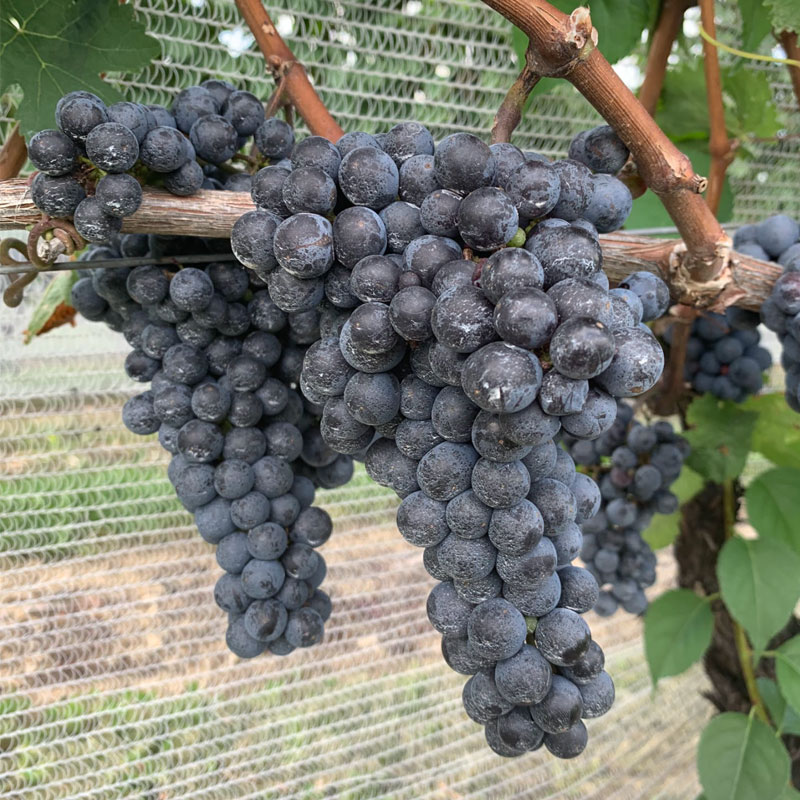
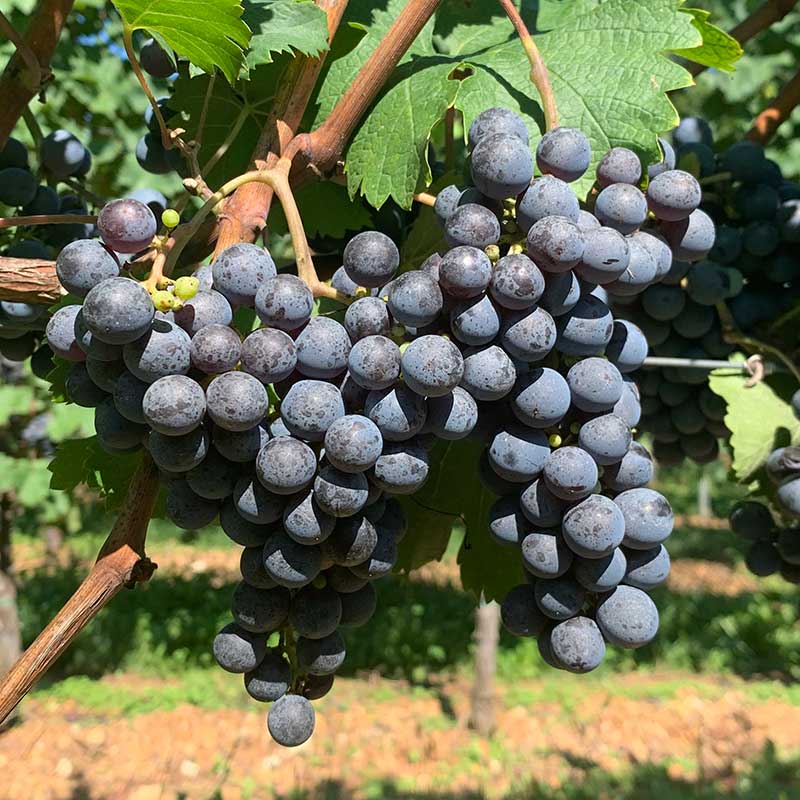
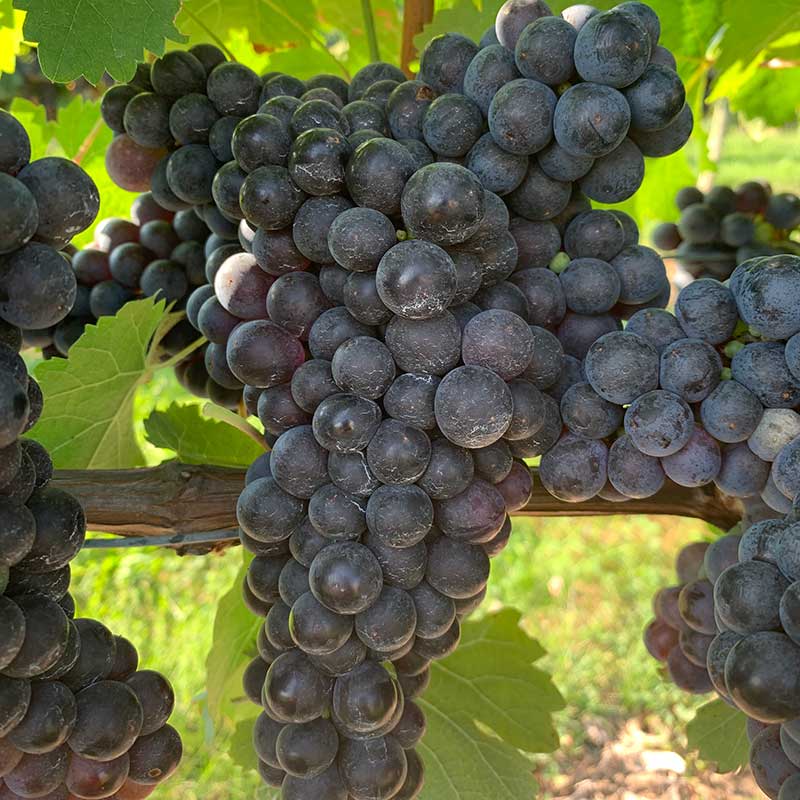
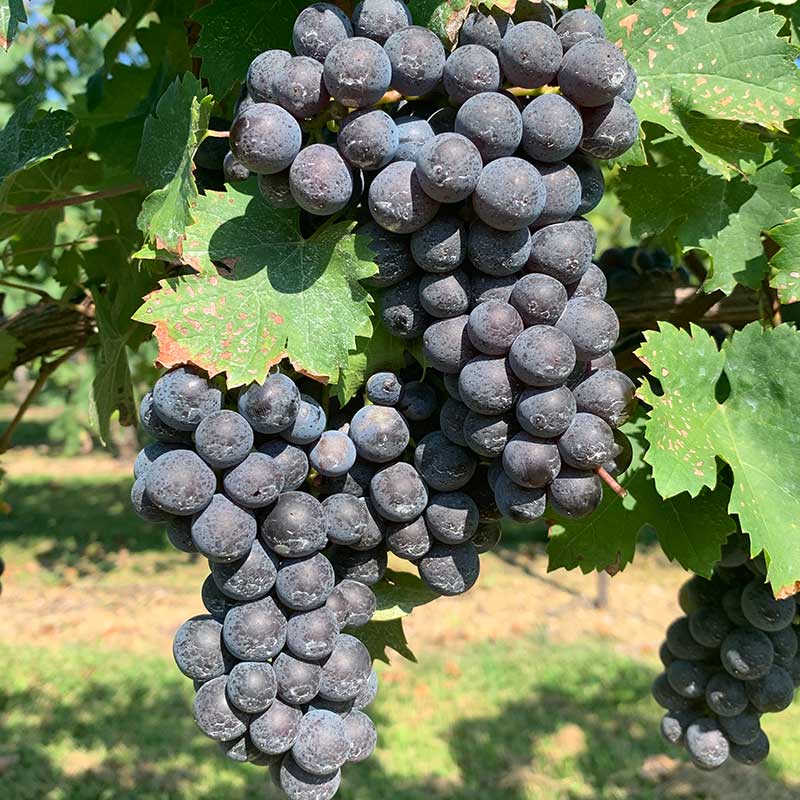
Penn State University
Planting Properties
Crop Yield
Cold and Frost Sensitivity
Crop/Disease Resilience
Grape Maturity and Composition
Juice Yield, Processing and Chemistry
Wine Production
Consumer Demand
Pruning Methods
Here are some resources you can use to learn more about pruning methods:
Growth Habit
Here are some resources you can use to learn more about the growth habit of different cultivars:
- https://extension.psu.edu/mechanized-grapevine-fruit-zone-leaf-removal
- https://extension.psu.edu/grapevine-fruit-zone-leaf-removal
- https://extension.psu.edu/early-season-grapevine-canopy-management-part-ii-early-leaf-removal-elr
- https://extension.psu.edu/a-general-review-of-applied-grapevine-nutrition-principles
- https://extension.psu.edu/a-brief-review-of-fruit-zone-management-principles
Growth Vigor
Here are some resources you can use to learn more about the growth vigor of different cultivars:- https://extension.psu.edu/shoot-thinning-considerations-in-bunch-grape-vineyards
- https://extension.psu.edu/early-season-grapevine-canopy-management-shoot-thinning
- https://extension.psu.edu/a-general-review-of-applied-grapevine-nutrition-principles
- https://extension.psu.edu/the-fundamentals-of-grapevine-tissue-sampling-for-nutrient-analysis
- https://extension.psu.edu/assessing-and-managing-potassium-concentration-in-the-vineyard
Bud Break Timing
Here are some resources you can use to learn more about the bud break timing of different cultivars:
Cold Injury
Here are some resources you can use to learn more about the cold injury risks of different cultivars:
- Cold injury of buds:
https://extension.psu.edu/grapevine-cold-injury - Cold injury of permanent vine structures:
https://extension.psu.edu/grapevine-cold-injury
Chances of reaching desired maturity
Here is a resource you can use to learn more about the chances the fruit will reach desired maturity:
Harvest Timing
Here is a resource you can use to learn more about harvest timing:
Trellis Systems
Here is a resource you can use to learn more about trellis systems:
Disease and Pest Resilience
Here are several resources you can use to learn about different diseases and pest issues with growing cultivars:
- Difficulty controlling sour rot:
https://extension.psu.edu/grape-sour-rot - Difficulty controlling downy mildew:
https://extension.psu.edu/fungicide-resistance-management-in-vineyards
https://extension.psu.edu/grape-disease-downy-mildew
https://extension.psu.edu/downy-mildew-on-grapes - Difficulty controlling powdery mildew:
https://extension.psu.edu/fungicide-resistance-management-in-vineyards
https://extension.psu.edu/powdery-mildew-of-grapes-in-home-gardens - Difficulty controlling botrytis bunch rot
https://extension.psu.edu/botrytis-bunch-rot-winemaking-implications-and-considerations
https://extension.psu.edu/grape-disease-botrytis-bunch-rot
https://extension.psu.edu/fungicide-resistance-management-in-vineyards - Difficulty controlling black rot:
https://extension.psu.edu/grape-disease-black-rot-photo-gallery
https://extension.psu.edu/grape-disease-black-rot - Difficulty controlling phomopsis:
https://extension.psu.edu/phomopsis-cane-leaf-spot-and-fruit-rot-in-home-vineyards
Chemistry: pH
Here is a resource you can use to learn more about a cultivar’s pH chemistry: